


When is the Best Time to Travel to Morocco?
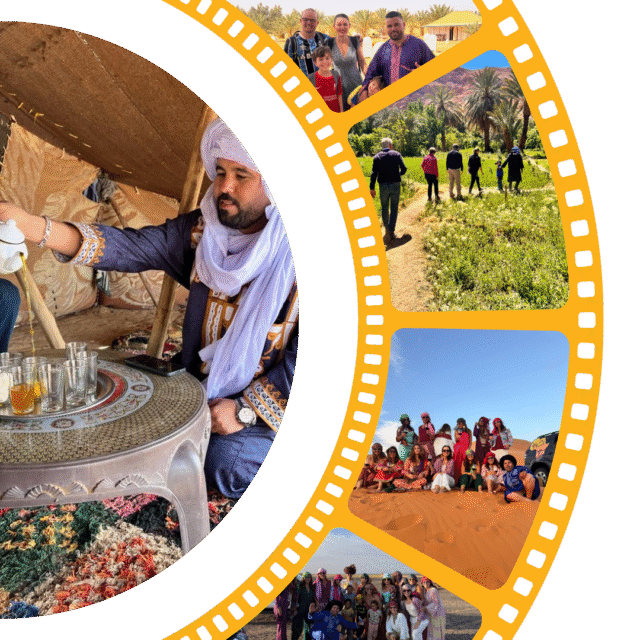
The best time to travel to Morocco? Morocco is a spectacular destination throughout all seasons of the year. With its coastal landscapes, majestic mountains, and vast deserts, the country offers incredible diversity, providing unique experiences at any time. Whether you’re seeking adventure in the Sahara Desert or planning to relax on the paradisiacal beaches, Morocco is the perfect choice in any season. Discover a country rich in culture and beauty, waiting to enchant travelers all year round.
January and February
Although situated in a desert environment, Morocco can experience colder temperatures, especially in the Atlas Mountains, during January and February. January is characterized as the rainiest and coldest month, with maximum temperatures fluctuating between 30 and 40 degrees Fahrenheit (around -1 to 4 degrees Celsius), although most days remain sunny and mild.
The best time to travel to Morocco at the beginning of the year is that you will have the country’s main attractions practically to yourself. Luxury Riads in Marrakech often reduce their rates, and you won’t need to negotiate much to secure exceptional deals on experiences like glamorous camping in the Sahara Desert. This time of year offers a unique opportunity to explore the country peacefully and, at the same time, enjoy great travel deals.
Explore the Moroccan Riads Experience:
– Casablanca and Imperial Cities Package in Riad
– Imperial Cities Package departing from Casablanca with Riad
– Casablanca and Imperial Cities Itinerary from Marrakech with Riad
– Imperial Cities, Casablanca, and Chefchaouen Itinerary with Riad
– Imperial Cities, Casablanca, and Desert Package with Riad
– Tangier, Chefchaouen, Fes, Marrakech, and Casablanca Package with Riad
– Imperial Cities, Casablanca, Chefchaouen, and Desert Itinerary with Riad
These itineraries offer the opportunity to experience the authenticity of Moroccan Riads, ensuring your trip is filled with comfort and charm while exploring the fascinating imperial cities, enjoying the beauty of Chefchaouen, and venturing into the vastness of the desert. Discover Morocco in a unique way and be enchanted by the hospitality and culture of the country.
March and April
In March and April, the Moroccan landscape transforms into a sea of blossoming flowers and lush vegetation. It’s the perfect time to explore the country’s spectacular hiking trails.
An added advantage is that the high season has not yet begun. This means you can easily find deals on hotels and flights, as well as avoid crowds at popular destinations like Chefchaouen.
One of the highlights of a visit during March is the International Nomads Festival. Scheduled for four days each March, this festival brings together music, theater, storytelling, and art, providing a rich and engaging cultural experience. Spring in Morocco is truly an enchanting period to explore the country.
May and June
- Ideal Climate: May and June mark the transition from spring to summer in Morocco. During these months, temperatures are pleasant, ranging from 70 to 90 degrees Fahrenheit (about 21 to 32 degrees Celsius), which makes the weather perfect for exploring Moroccan cities and landscapes without the extreme summer heat.
-
Peak Tourist Season: With favorable weather conditions, tourism in Morocco begins to increase. This means that popular tourist attractions, hotels, and Riads tend to fill up quickly. Therefore, it is advisable to make reservations in advance to ensure you get the desired accommodation.
-
Cultural Festivals: May is an especially interesting month due to cultural festivals. The Gnaoua Festival in Essaouira is a celebration of art, music, and culture, focusing on the Gnaoua musical tradition. It is a unique experience for music and culture lovers.
-
Sacred World Festival: The Sacred World Festival in Fes is a spiritual experience that promotes tolerance and spirituality through music and art. It is a unique opportunity to understand Moroccan spiritual traditions and engage in intercultural experiences.
-
Enjoy the Riads: If you dream of staying in an authentic Moroccan Riad, these months are ideal. Many Riads are converted into tourist accommodations, offering a unique experience of hospitality and traditional architecture.
-
Cultural Exploration: In addition to the festivals, you can explore rich Moroccan cultural traditions, from local cuisine, such as tagines and couscous, to visiting the souks (traditional markets) to buy handicrafts and local products.
May and June provide a great combination of pleasant weather, unique cultural experiences, and exciting festivals, making them ideal months for a visit to Morocco. If you have any specific questions or would like more details about any of these experiences, do not hesitate to ask.
July and August
-
Hot Climate: These are the summer months, and temperatures can be quite high, usually reaching their peak. This can make outdoor activities uncomfortable during the day. However, it is a perfect opportunity to enjoy the pools in many hotels and Riads.
-
Coastal Destinations and Atlas Mountains: If you want to escape the intense heat, consider visiting coastal destinations like Casablanca, Essaouira, or Agadir, where temperatures are milder due to the ocean’s influence. Additionally, the Atlas Mountains offer a cooler retreat for outdoor enthusiasts.
-
High Season: July and August are considered high season, and accommodation prices can be higher. Therefore, booking your trip in advance is advisable to ensure availability and avoid unpleasant surprises.
-
Ramadan: It’s important to remember that Ramadan is observed during these months, which means Muslims fast from dawn to dusk. This can affect the operating hours of museums, historical sites, and restaurants during the day. However, nights during Ramadan are vibrant, with festivities and special meals to break the fast.
-
Culture and Traditions: Despite seasonal considerations, Ramadan also offers an exciting opportunity to experience Moroccan culture and traditions in a unique way, with traditional Iftar (fast-breaking) dishes in the evening and a festive atmosphere in the streets.
If you are planning a trip to Morocco during July and August, take these climatic and cultural factors into account to make the most of your stay. If you have more questions or need additional information about Morocco, feel free to ask.
September and October: Best Time to Travel to Morocco
-
Pleasant Climate: Temperatures begin to cool after the summer heat, creating ideal conditions for outdoor activities. During the day, you can expect pleasant temperatures, making it a great time to explore the Atlantic coast and its beaches or venture into hiking trails in the Atlas Mountains.
-
Tourist Peaks: Keep in mind that tourism is still high in September and October due to the pleasant weather and holiday season in many places. Therefore, it is advisable to book tours and accommodations in advance to ensure availability.
-
Outdoor Activities: This is a fantastic time for hiking and outdoor activities. The Atlas Mountains offer spectacular trails and stunning landscapes. The Atlantic coast is ideal for relaxing on beaches or exploring picturesque coastal cities like Essaouira and Agadir.
-
Culture and Festivals: In addition to natural beauties, Morocco offers a rich cultural heritage. Look for cultural events or festivals that may occur during your visit to experience authentic Moroccan culture.
-
Cuisine and Markets: Be sure to experience local cuisine, whether in restaurants or street markets. September and October are an ideal time to try traditional Moroccan dishes like tagines and couscous.
In summary, September and October are excellent months to explore Morocco, with pleasant weather and many opportunities to enjoy the nature, culture, and cuisine of this diverse country. Remember to book in advance and plan your activities to make the most of your trip. If you have more questions or need additional information, feel free to ask.
November and December: Best Time to Travel to Morocco
-
Pleasant Climate: Late autumn and early winter in Morocco offer pleasant weather conditions. Sunny days make cities like Marrakech and Fes ideal for exploring bustling markets and enjoying local culture.
-
Appropriate Clothing: If you plan to visit coastal cities like Essaouira or the High Atlas Mountains, it’s important to bring warm clothing. Temperatures can drop at night, and it’s common for snow at higher altitudes, which is perfect for winter sports enthusiasts.
-
Marrakech International Film Festival: The Marrakech International Film Festival is an important event in the cinematographic world. If you are a film fan, this is a unique opportunity to see some of the main international productions and be surrounded by film stars.
-
Skiing in Oukaimeden: December is the best time to visit the Oukaimeden ski resort, located near Marrakech. Ski equipment rental is affordable, making this an exciting option for winter sports lovers.
-
Varied Experiences: From camping in the Sahara Desert to exploring historic medinas, Morocco offers a variety of experiences at any time of year. The diversity of landscapes, culture, and activities makes Morocco an exciting destination to explore during autumn and winter.